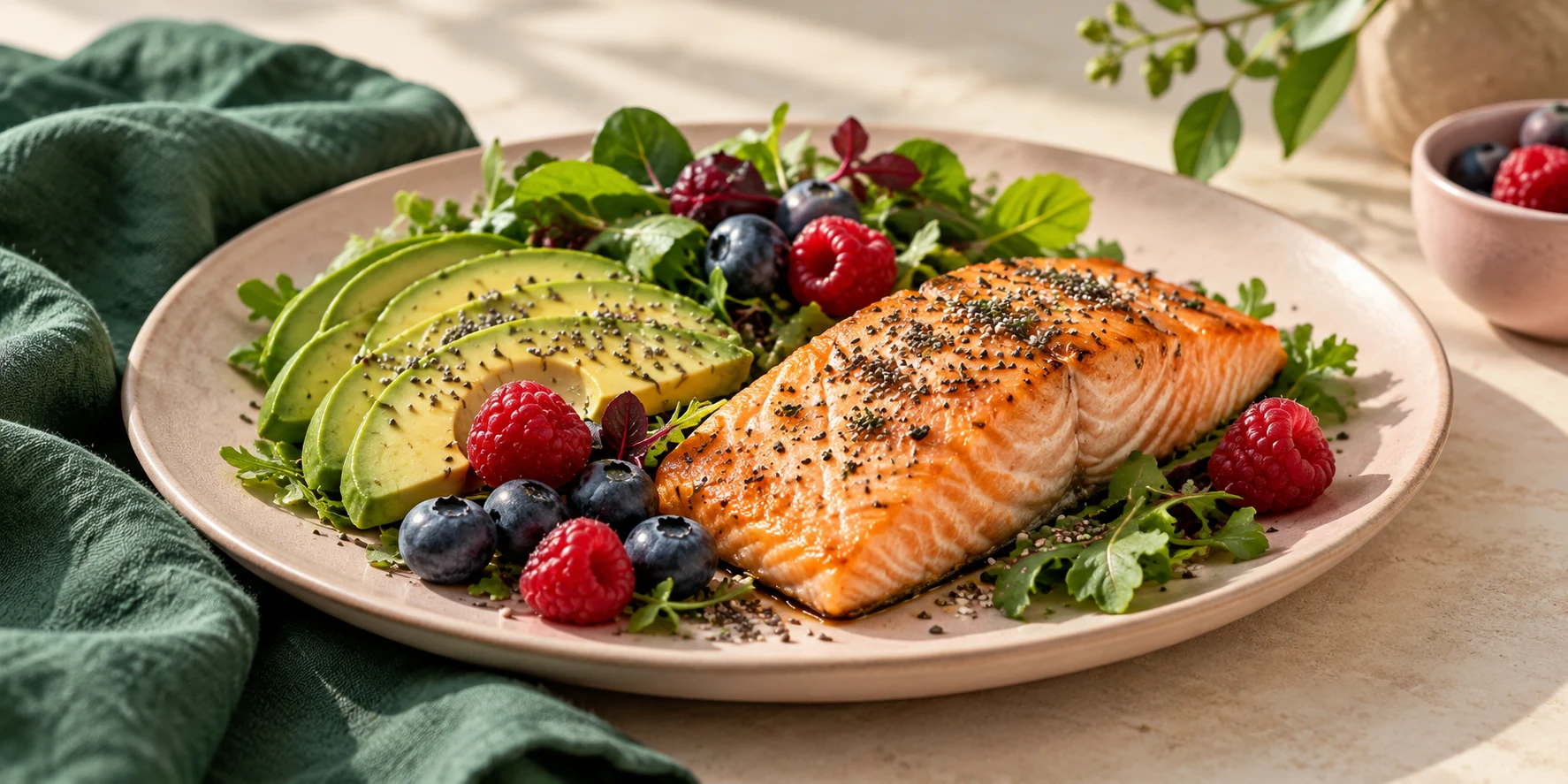
Healthy skin isn't just about what you put on your face. What happens inside your body can influence your skin, too.
When we think about treating acne, we often focus on cleansers, exfoliating acids, retinoids, and professional treatments. But nutrition, inflammation, hormones, and overall health can also play important roles.
While supplements aren't a cure for acne, certain nutrients may help support skin health, particularly when dietary intake is inadequate.
Let's explore five worth understanding.
1. Zinc: Supporting Skin Repair and Inflammation
Zinc is an essential mineral involved in immune function, wound healing, and skin repair.
Research suggests that zinc supplementation may improve inflammatory acne in some individuals, although results vary and it isn't a replacement for established acne treatments.
Food sources: Oysters, beef, pumpkin seeds, lentils, and chickpeas.
Skin School Tip: More zinc isn't necessarily better. Excessive supplementation can cause nausea and copper deficiency. Speak with a healthcare professional before taking high doses.
2. Prebiotics: Feeding Your Beneficial Gut Bacteria
Prebiotics are fibers and other compounds that nourish beneficial microorganisms in your digestive system.
Scientists are increasingly studying the gut-skin axis, the relationship between gut microorganisms, immune activity, inflammation, and skin health.
Although this connection is promising, direct evidence that prebiotic supplements improve acne remains limited.
Food sources: Garlic, onions, asparagus, oats, bananas, and legumes.
Skin School Tip: Incorporating a variety of fiber-rich foods is a practical way to support gut health without immediately reaching for supplements.
3. Probiotics: Understanding the Gut-Skin Connection
Probiotics are live microorganisms that may provide health benefits when consumed in adequate amounts.
Some preliminary studies suggest certain probiotic strains may help improve inflammatory acne, potentially through effects on immune regulation.
However, not all probiotic products contain the same strains, and research hasn't established one universally effective probiotic regimen for acne.
Food sources: Yogurt with live cultures, kefir, and certain fermented foods.
Skin School Tip: Probiotics aren't one-size-fits-all. Their effects depend on the specific strains, formulation, and individual.
4. Fiber: Supporting Digestion and Metabolic Health
Fiber supports digestive regularity, beneficial gut bacteria, and healthy blood sugar regulation.
Why might that matter for acne?
Some studies associate high-glycemic dietary patterns with acne. Choosing fiber-rich foods can help support steadier blood sugar levels as part of a balanced diet.
That doesn't mean fiber supplements directly treat acne, but adequate dietary fiber supports overall health.
Food sources: Berries, vegetables, beans, chia seeds, oats, and whole grains.
Skin School Tip: Increase fiber gradually and drink adequate fluids to help minimize digestive discomfort.
5. Omega-3 Fatty Acids: Supporting the Skin Barrier
Omega-3 fatty acids are important components of a healthy diet and are involved in regulating inflammatory processes.
Small studies suggest omega-3 supplementation may help some people with inflammatory acne, but larger, high-quality studies are needed.
Omega-3s also contribute to normal skin function and overall health.
Food sources: Salmon, sardines, trout, walnuts, chia seeds, and flaxseeds.
Skin School Tip: Food sources are a great starting point. Consult a healthcare professional before supplementing, particularly if you take blood-thinning medication.
So, Should Everyone With Acne Take These Supplements?
Not necessarily.
Acne is a complex skin condition influenced by genetics, hormones, inflammation, follicular changes, and other factors.
Supplements may be helpful in specific circumstances, but they should complement—not replace—appropriate skincare, nutrition, and medical treatment.
The strongest approach is understanding your individual skin concerns and choosing interventions supported by evidence.
The 12 two skin club Philosophy
At 12 two skin club, we believe skincare education is just as important as the treatments themselves.
Our goal is to help you understand why your skin behaves the way it does, which ingredients may benefit you, and how to build a realistic routine that supports long-term skin health.
Because beautiful skin isn't about following every trend. It's about making informed decisions for your skin.
Want help understanding your skin?
Explore our Skin School educational resources, download our free Skincare Ingredient Guide, or schedule a complimentary virtual skincare consultation.
Educational disclaimer: This article provides general information and is not individualized medical advice. Consult your healthcare professional before beginning supplements, especially if you are pregnant, nursing, taking medication, or managing a medical condition.
12 two skin club | Skin School
Skincare ingredients, simplified.